
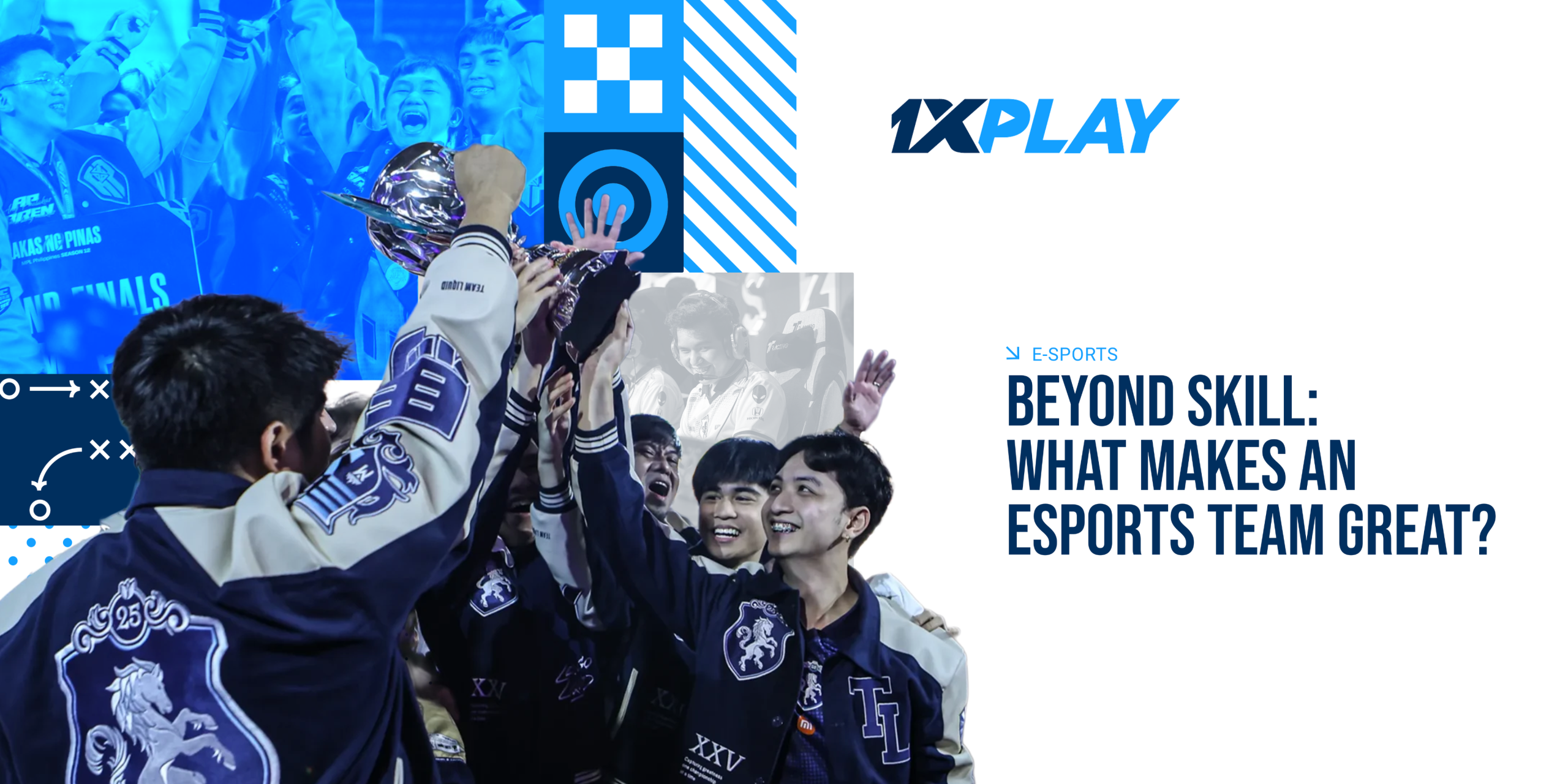
In esports, one moment can change everything. A perfectly timed attack can turn the tide of a match; a clutch defensive play can keep a team alive, and one opening can be all it takes to bring an opponent’s defenses crashing down. Momentum can shift in seconds, and the team that capitalizes on the right opportunity can seize control of the game.
But those game-changing moments rarely happen by accident. Behind every clutch play, a well-executed strategy, and hard-fought comeback is a team that knows how to prepare, communicate, adapt, and perform under pressure.
For fans, looking beyond the scoreboard offers a better way to understand what sets great teams apart. These are the factors that help some teams consistently stay competitive and deliver when they matter most.
Preparation Shapes Performance
Great performances often begin before the match even starts. Teams study opponents, review previous games, identify patterns, and prepare strategies for different scenarios. Coaches and analysts help players understand what they may face, giving them a clearer game plan once competition begins.
Technology has also become part of that preparation. Team Liquid, one of esports’ most decorated organizations, has partnered with SAP to use data and analytics for areas such as match preparation, scouting, and player development. The goal is to turn information into better decisions when every play counts.
Skill Becomes Stronger Together
Individual talent can make a difference, but esports is ultimately a team game. Players need to understand their roles, communicate clearly, and trust their teammates to make the right decisions. Strong coordination allows individual strengths to work together instead of becoming isolated plays.
That chemistry becomes even more valuable when a match gets unpredictable. When players understand each other’s tendencies and communicate effectively, they can respond faster and stay aligned even when an opponent changes the pace of the game.
Great Teams Know How to Adapt
Preparation, however, only goes so far when the game itself keeps changing. Regular game updates can alter gameplay mechanics, while opponents are constantly developing new strategies that can change how matches are played. Teams that remain competitive are those that can adjust instead of relying too heavily on what worked before.
AP.Bren showed this during the M5 World Championship grand finale against ONIC Indonesia. After taking a 3-1 lead, AP.Bren saw ONIC fight back to force a deciding seventh game. The Filipino team ultimately won 4-3, showing how quickly a championship series can shift and why teams need to respond when momentum changes.
Pressure Reveals a Team
That ability to adjust also depends on how well players handle pressure. A lost game or costly mistake can quickly change the momentum of a series, making the ability to reset and focus on the next play just as important as technical skill.
Strong team culture and leadership can help players stay composed in these moments. Great teams are not necessarily those that never make mistakes, but those that can recover, communicate, and continue executing when the stakes are highest.
Consistency Makes the Difference
Ultimately, one championship does not tell the whole story. Rosters change, players move on, and the competitive landscape continues to evolve. Teams that remain competitive through these changes demonstrate the value of player development, roster management, and a system that can sustain performance.
As e-sports continue to grow, the competition will only become more demanding, with new challengers emerging and established teams fighting to stay on top. For fans, that makes every tournament more than a race for another trophy. It is a chance to see which teams can rise to the occasion, create defining moments, and leave their mark on the sport.